
In engineering development · no test results yet
TechnologySafety
Tested with blind people before anything is sold.
A device that helps people walk has to earn trust slowly. Lumistep is tested in the lab, then with paid blind participants on real streets, then in a two-month field pilot with a blind charity, then certified for radio, electrical and battery safety. We publish what we find, good or bad, and we say plainly what Lumistep cannot do.
- Lab validation
- Now
- Sensing range, vibration timing, battery draw and the phone link, against our design targets.
- Field trials
- Feb 2027
- Paid blind participants in South Asia and London, on real streets.
- Field pilot
- Apr 2027
- Two months with a blind charity. Methods agreed first.
- Certification
- Mid 2027
- Radio, electrical safety and battery tests before any sale.
Honest limits
What Lumistep will never claim.
- It never tells you it is safe to cross.Lumistep warns you about things in front of you. Crossing decisions stay with you, your cane or dog, and your training.
- It does not replace training, a cane or a guide dog.It adds to them. Below the smart handle is a full white cane, and orientation and mobility training stays the foundation.
- It makes no medical claims.We will take regulatory advice before sale, and describe what Lumistep does, not what it treats.
- It does not claim outcomes it has not measured.Until our pilot reports, we say Lumistep could help, never that it saves or prevents anything.

Testing
From the lab to real streets, in three steps.
- 01
Now to January 2027
Lab validation
Sensing range in each mode, vibration timing, battery draw and the phone link, measured against our design targets.
- 02
February – March 2027
Field trials
Blind participants in South Asia and London walk real streets with the full kit. Paid for their time, guided by an orientation and mobility trainer.
- 03
April – May 2027
Field pilot
Version 2 on our own circuit boards, two months with a blind charity. Methods agreed first; results published, good or bad.
What we measure
Never with blindfolded volunteers: blindfolded sighted people walk differently from real cane users.[56]
- Walking speed and collisions, with and without Lumistep
- Missed and false warnings, in each range mode
- Battery life on real walks, not in the lab
- Rain, bright sun, glass doors, thin poles and hanging cloth
- Whether people keep using it, and why they stop
- Satisfaction, on a standard assistive-technology score
Evidence base
What research says, good and not so good.
Encouraging
- A Stanford research cane with sensors and a steering wheel raised walking speed by about 20% for visually impaired people. It was a prototype tested with 24 people.[53]
- With the Tom Pouce III electronic cane, experienced users avoided obstacles significantly better than with a plain cane, at the same walking speed.[54]
- Camera glasses were the fastest-adopted new technology among blind workers in a US survey, used mostly for reading and describing things.[12]
Cautions
- In a study of ten blind cane users, a cane with a haptic wearable showed fewer collisions, but not by a statistically significant amount.[55]
- Extra alerts slowed walkers down,[32] and blindfolded sighted people walked differently from real cane users.[56]
- Experts say camera glasses are not a replacement for a cane and not accurate enough for crossings.[58][25]
- Even orientation and mobility training, the foundation of independent travel, has only two small trials behind it.[57]
What we take from it
Lumistep has no test results of its own yet. See every source in our research library.
- Few, simple alerts, and silence when the path is clear.
- The cane stays the main tool; glasses and buds read and describe.
- Test with blind people, in South Asia and the UK, measuring walking speed and collisions.
- Work with orientation and mobility instructors, never around them.
Certification roadmap
The tests before anything is sold.
None of these are done yet. They are planned for June to October 2027, before the first production kits go on sale from late 2027.
- Planned
UK and Europe
UKCA / CE (radio)
Radio Equipment Regulations, for the Bluetooth and radar parts.[60]
- Planned
United States
FCC Part 15
US rules for radio devices such as Bluetooth products.[61]
- Planned
Product safety
IEC 62368-1
Safety of electronics, for the glasses, buds, clip and chargers.[62]
- Planned
Batteries
IEC 62133-2
Safety testing for the lithium cells in every device.[63]
- Planned
Shipping
UN 38.3
Transport tests so lithium batteries can be shipped by air and sea.[63]
- Planned
South Asia
BTRC and local approvals
For example, Bangladesh's telecom regulator requires importer enlistment and a no-objection certificate for each shipment of radio equipment.[64]
- To confirm
Medical-device status
Advice before sale
- Planned
White canes
No cane standard exists
The WHO notes there is no specific product standard for white canes; general assistive-product standards apply.[59] We're designing the cane to meet them.
Eye-safe and radio-safe by design.
Technology
More on how Lumistep works.
Each part of the system has its own page, with sources and honest limits. Or start from the technology overview.
Sensing
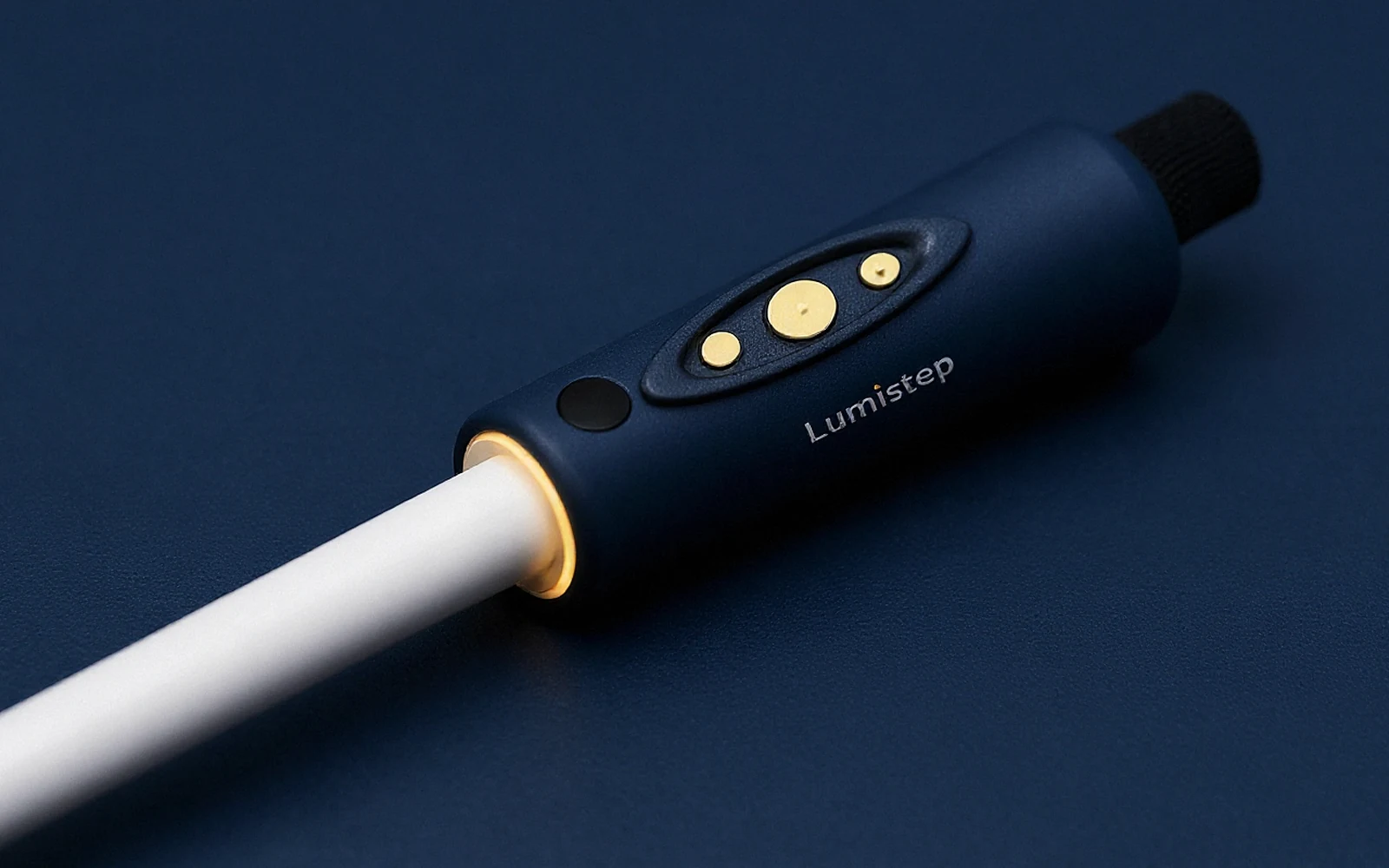
Radar, laser and a vibration language
How the smart handle feels the path ahead, from head height down to the kerb, and tells your hand which side.
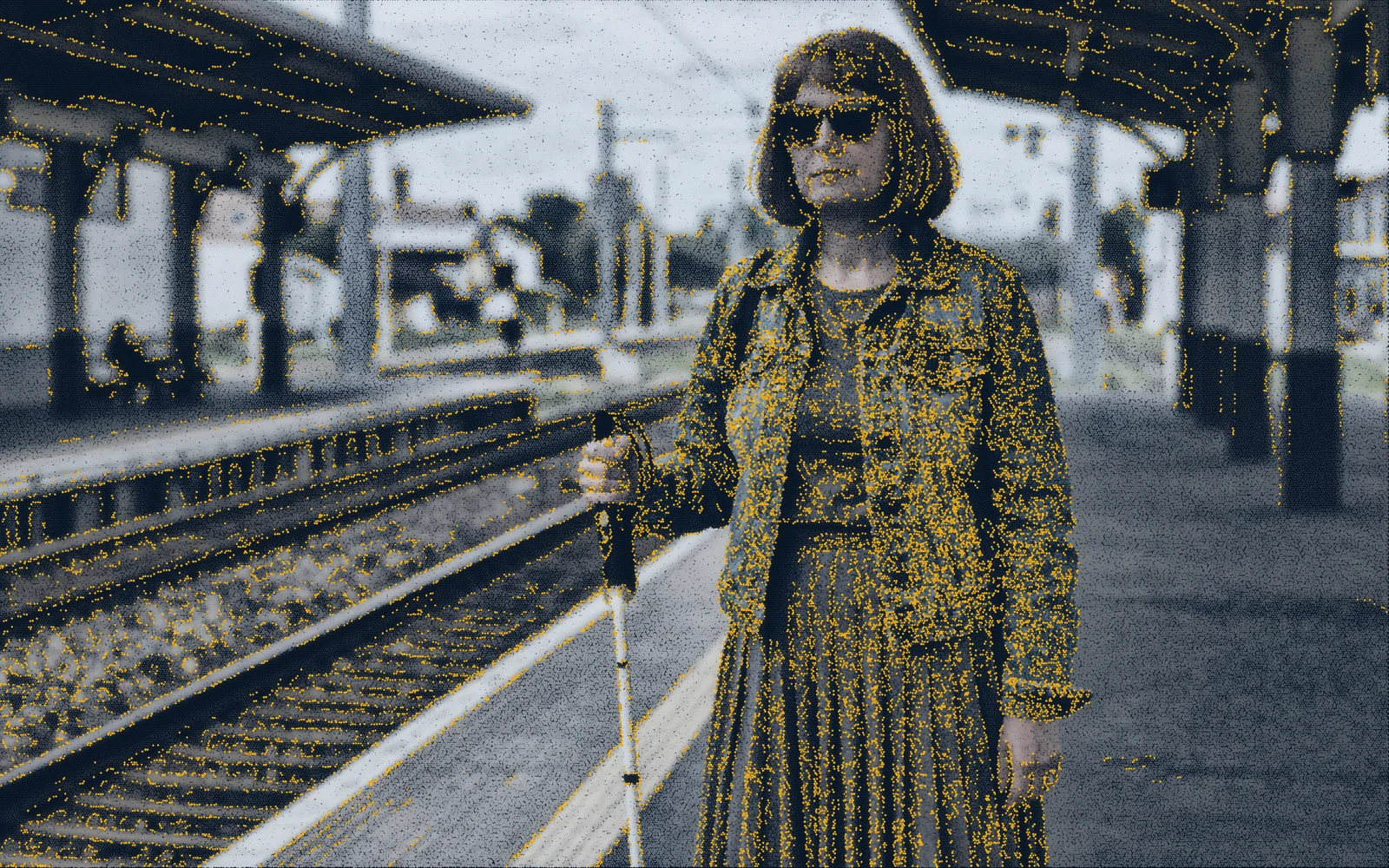
Lumi Vision
A camera that only processes what changes
The event sensor in the glasses and the buds' clip, what Lumi can read and describe, and where the science is still young.
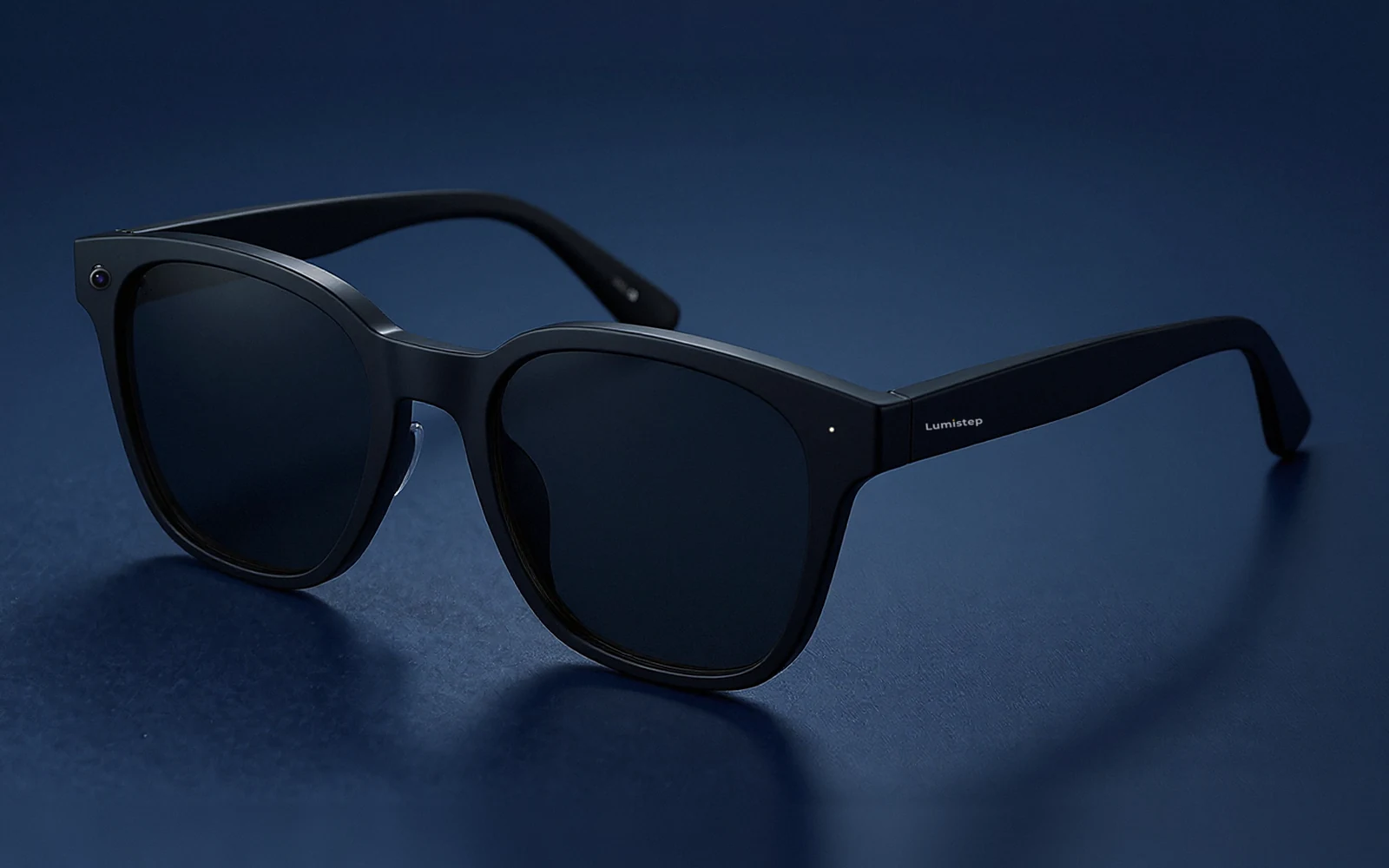
Lumi OS
Our own software, and your privacy
The firmware inside every device: deliberate controls, quiet alerts, updates over the air and nothing stored by default.
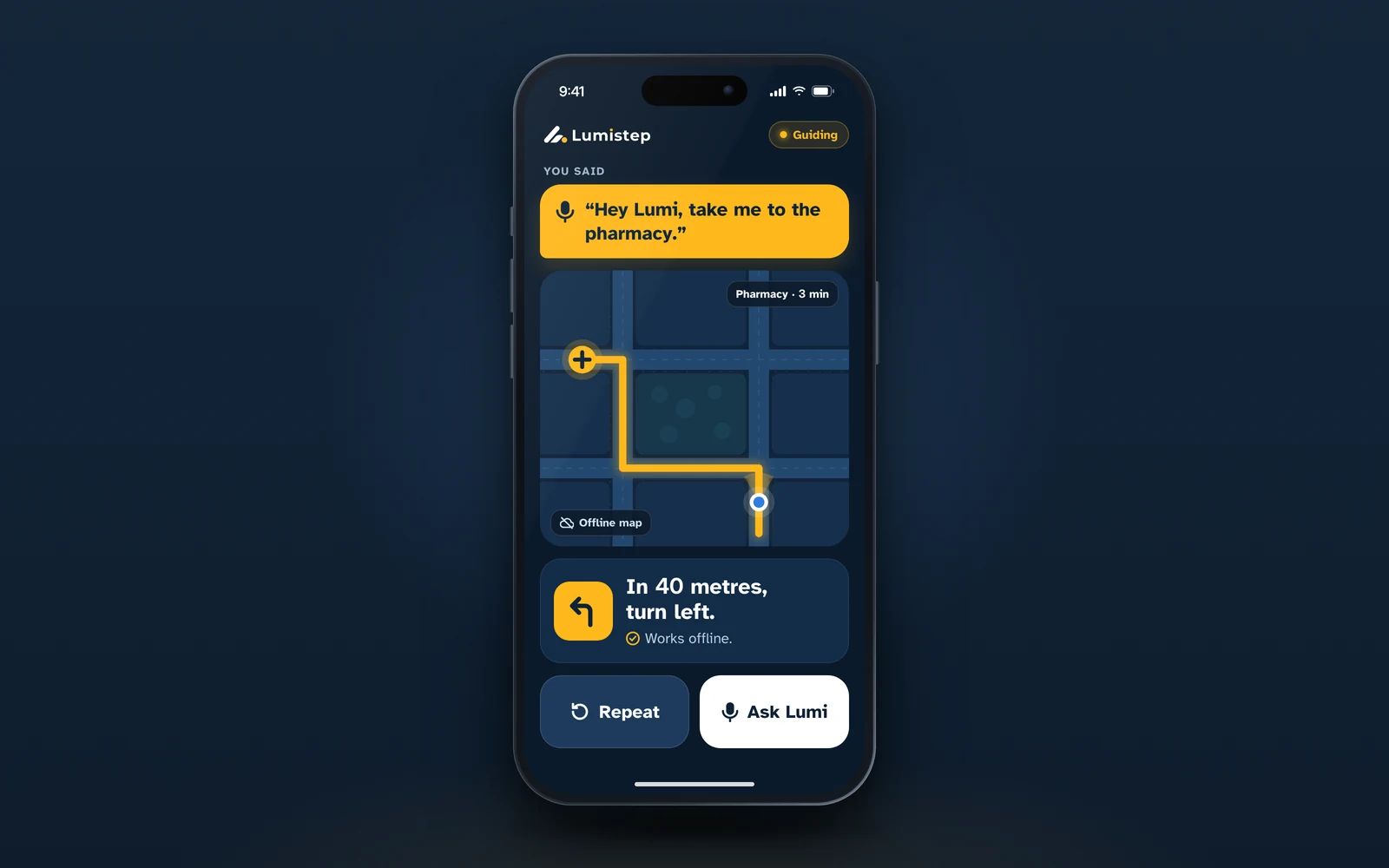
Offline
Maps, on-device AI and battery
What works with no signal at all, how the phone does the heavy thinking, and how long each device lasts.
Lumistep
Get involved
Three ways to help blind and low-vision people walk, read and travel on their own.
For people and families
Join the waitlist
Hear first about field trials and the first production kits, and help shape what we build.
Join the waitlistFor charities, trainers and sponsors
Support Lumistep
Sponsor a kit, host a field trial or partner with us to reach the people who need it most.
Ways to supportFor investors
Invest in Lumistep
We are raising our first round to complete engineering and field trials. Let's talk.
For investors